All Categories
Featured

How to Select the Medical Insurance Coverage
Table of Contents
Providing health benefits is a significant decision for businesses. Usage as a resource to get more information about medical insurance services and products for your staff members.
Here's one circumstance: 10 $250,000 total, or $25,000 per staff member $70,000 $35,000 (50% of employer's contribution).
Deciding to use health insurance is one of the most significant moves a little company owner can make. Between skyrocketing costs and complicated rules, finding a plan that assists you land fantastic people without wrecking your spending plan can feel like an uphill battle.
Let's be realisticthe economic image for most little businesses is hard. The average expense of employer-sponsored medical insurance keeps climbing up much faster than inflation and incomes, putting a serious squeeze on smaller business. This pressure is especially intense for services with less than 100 employees, where hard choices about what you can manage to offer are ending up being the norm.
Understanding the Local Business Commercial Benefit Requirements
This guide is designed to assist you navigate those decisions. We'll compare whatever from traditional group plans and modern-day compensation designs like HRAs to strategic choices like PEOs. The goal is to offer you the self-confidence to pick an advantages technique that really supports your business's growth, keeps your team pleased, and protects your bottom line.
It sends out a clear signal: you appreciate your team's wellness and you're invested in them for the long haul. Still, the monetary stress is real, and it forces owners to find a sustainable middle ground. The technique is to stop thinking of "purchasing a strategy" and start creating a benefits technique.
You need an option that works for you, not just for the insurance provider. An excellent beginning point for any company owner is the federal hub for small company health options, which sets out the basics. This official resource covers the fundamentals, like finding out if you're qualified for certain programs and exploring what's offered through the SHOP market.
Consider this guide as the next stepyour practical playbook for turning that fundamental knowledge into a wise, sustainable choice for your service. For many small companies, the first action into offering health advantages begins with the options everyone's most acquainted with. These traditional and marketplace strategies are often the structure for offering protection, providing structures that are simple for both you and your employees to comprehend.
Professional Staff Assistance EAP Providers for Your Business
You can think of this like a basic subscription for your company's health insurance coverage. You pay a fixed regular monthly premium to an insurance coverage carrier, and in return, they take on all the financial danger for your employees' medical claims.
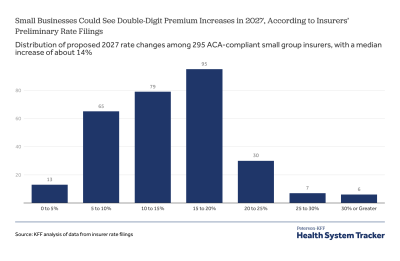
That stability does come at a rate, though. Little businesses typically get struck with steep premium walkings year after year with very little explanation or control, especially if the group has a bad claims year. To make finding and comparing these group plans a bit simpler, the federal government created the market.
Business Insurance Los AngelesSHOP lets you compare different ACA-compliant plans from different insurance companies side-by-side, assisting you find protection that fits both your budget and your team's requirements. Among its standout functions is the Small Organization Health Care Tax Credit. To receive this credit, which can cover up to, your business normally needs to: Have fewer than full-time equivalent workers.
Choosing Top-Rated Dental and Eye Insurance for Employees
Contribute at least towards your workers' premium expenses. Purchase a plan through the store market. The store market was developed to level the playing field, giving small companies access to choices and potential tax breaks that were as soon as much harder to get. It standardizes the entire shopping experience, making it much easier to weigh your choices based upon expense, network, and protection.
Some states run their own markets, while others use the federal platform. Getting the information right is an important part of making a notified decision, specifically considering that regulations can move.
By pooling their staff members, they can frequently negotiate better rates and terms than any one small company could get on its own. The main appeal of an AHP is using that collective bargaining power to drive down premium costs. However, this approach comes with its own set of trade-offs and intricacies.

Latest Posts

Maximizing Business Group Incentives and Retaining Talent
Fast-Tracking Health Insurance Onboarding for Costa Mesa SMBs

Choosing Dental and Vision Insurance for Staff